

Male Infertility Explained: Causes, Testing & Treatment is an important topic for couples facing challenges in conception. Male infertility contributes to a significant number of fertility cases worldwide. Therefore, understanding its causes and treatments can help improve reproductive outcomes.
Moreover, early diagnosis improves treatment success. In addition, modern fertility care offers several effective solutions for male reproductive health issues.
What Is Male Infertility?
Male infertility refers to a man’s inability to cause pregnancy in a fertile female partner. However, this condition is often treatable with proper medical care.
Infertility may result from low sperm count, poor sperm quality, or blockages in the reproductive tract. As a result, natural conception becomes difficult.
You can learn more about reproductive care at About Fertility Specialists in Nairobi. In addition, couples can take the next step by choosing to Book a Fertility Consultation.
Common Causes of Male Infertility
1. Low Sperm Production
Low sperm count reduces the chances of fertilization. Moreover, hormonal imbalance or testicular issues may contribute to this condition.
2. Poor Sperm Motility
Sperm must move effectively to reach the egg. However, weak movement may reduce fertility chances.
3. Abnormal Sperm Shape
Abnormal sperm structure can affect fertilization ability. Therefore, sperm morphology plays an important role in fertility.
4. Varicocele
Varicocele refers to enlarged veins in the scrotum. In addition, it may affect sperm production and quality.
5. Infections
Some infections may damage sperm production or block sperm passage. As a result, fertility may be affected.
6. Hormonal Imbalance
Hormones control sperm production. Therefore, imbalance in testosterone or other hormones may affect fertility.
Testing for Male Infertility
Fertility testing helps identify the root cause of infertility. Moreover, early diagnosis improves treatment planning.
Semen Analysis
This is the most common test for male fertility. It evaluates sperm count, movement, and shape.
Hormone Testing
Hormone tests measure testosterone and other reproductive hormones. Therefore, they help identify hormonal causes of infertility.
Genetic Testing
Some fertility problems may be genetic. In addition, genetic testing helps detect inherited conditions.
Ultrasound Examination
Ultrasound imaging helps detect structural issues in the reproductive system. As a result, doctors can identify blockages or abnormalities.
Treatment Options for Male Infertility
Male infertility can often be treated successfully. However, treatment depends on the underlying cause.
- Medication for hormonal imbalance
- Antibiotics for infections
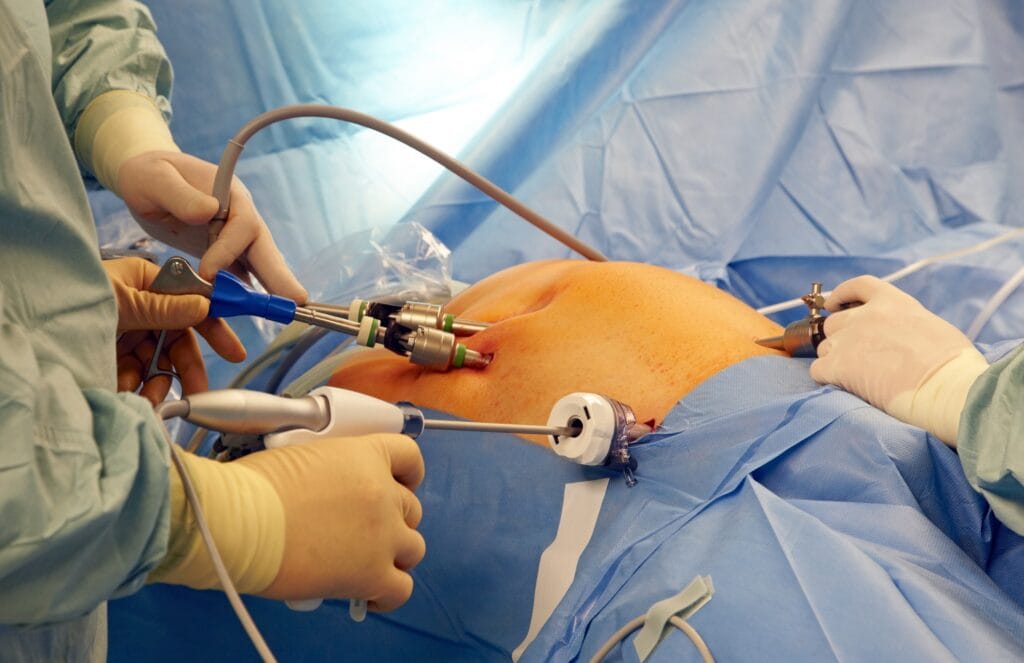
- Surgery for varicocele correction
- Lifestyle changes for better sperm health
- Assisted reproductive techniques (IVF, ICSI)
Moreover, combining medical treatment with healthy lifestyle changes improves success rates.
Lifestyle Changes to Improve Fertility
Healthy habits can improve sperm quality and reproductive health. For example:
- Avoid smoking and alcohol
- Maintain healthy body weight
- Exercise regularly
- Eat a balanced diet
- Reduce stress levels
Therefore, lifestyle improvements play a key role in fertility treatment success.
Male Infertility and Emotional Health
Infertility may affect emotional wellbeing and relationships. However, emotional support and counseling can help couples cope.
In addition, open communication between partners improves treatment experience and outcomes.
Fertility Care in Nairobi
Nairobi offers advanced fertility care and male infertility treatment options. Moreover, fertility specialists provide personalized diagnostic and treatment plans.
In addition, clinics offer semen analysis, hormone testing, IVF, and ICSI procedures.
You can access trusted fertility support at About Fertility Specialists in Nairobi. In addition, couples can begin treatment by choosing to Book a Fertility Consultation.
Trusted Medical Resources
According to the World Health Organization fertility guidelines, infertility affects both men and women and requires comprehensive evaluation.
In addition, the Mayo Clinic male infertility resource explains causes, diagnosis, and treatment options.
Conclusion
Male Infertility Explained: Causes, Testing & Treatment highlights that male fertility issues are common but often treatable. However, early diagnosis is key to successful outcomes.
Therefore, men experiencing fertility challenges should seek medical evaluation. In addition, modern fertility treatments offer hope for many couples trying to conceive.
Frequently Asked Questions (FAQ)
1. What causes male infertility?
Common causes include low sperm count, infections, and hormonal imbalance.
2. Can male infertility be treated?
Yes, many cases can be treated with medication, surgery, or assisted reproduction.
3. What is the main test for male infertility?
Semen analysis is the primary test used to evaluate male fertility.
4. Can lifestyle affect male fertility?
Yes, smoking, alcohol, and poor diet can reduce sperm quality.
5. Does stress affect male fertility?
Yes, stress may impact hormone levels and sperm production.
6. Is IVF used for male infertility?
Yes, IVF and ICSI are commonly used for severe male infertility cases.
7. Where can I get fertility treatment in Nairobi?
Nairobi has advanced fertility clinics offering male infertility diagnosis and treatment.