
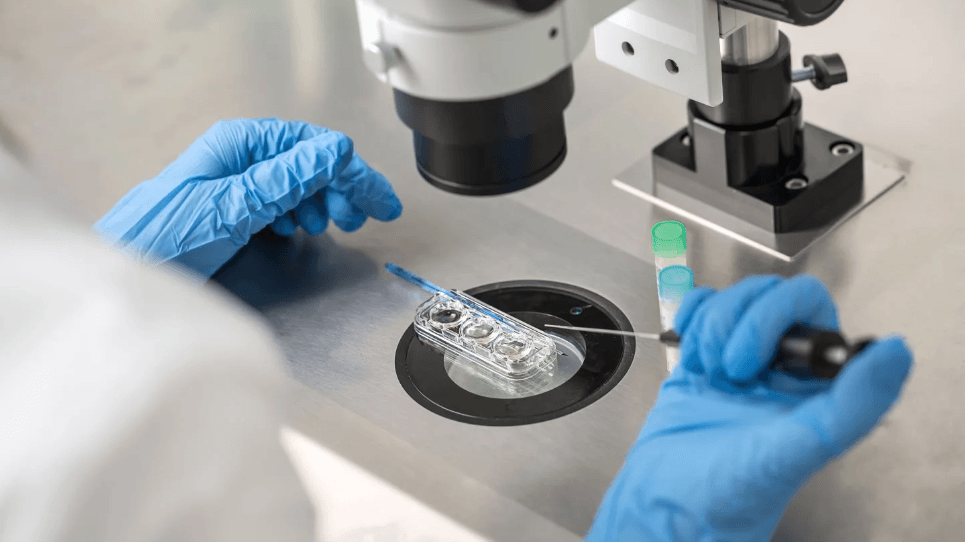
What Tests Are Done at a Fertility Clinic?
If you are wondering What Tests Are Done at a Fertility Clinic? + NUR Fertility, the answer depends on your medical history, age, and fertility goals. At NUR Fertility, comprehensive fertility testing helps identify the causes of infertility and guides specialists in creating a personalized treatment plan. Therefore, accurate diagnosis is the foundation of successful fertility treatment.
Both women and men may contribute to fertility challenges. For this reason, fertility specialists usually recommend evaluating both partners to obtain a complete picture of reproductive health.
Why Is Fertility Testing Important?
Fertility testing helps identify conditions that may prevent pregnancy. Early diagnosis allows specialists to recommend the most effective treatment while avoiding unnecessary delays.
Moreover, many fertility conditions can be managed successfully when detected early.
Female Fertility Tests
Female fertility assessments evaluate hormone levels, ovarian function, reproductive organs, and ovulation.
Hormone Blood Tests
Hormone testing measures reproductive hormones that influence ovulation and fertility.
- Follicle-Stimulating Hormone (FSH)
- Luteinizing Hormone (LH)
- Anti-Müllerian Hormone (AMH)
- Estradiol
- Progesterone
- Thyroid hormone levels
- Prolactin
Pelvic Ultrasound Scan
A pelvic ultrasound evaluates the uterus and ovaries. It can identify ovarian cysts, fibroids, polyps, and other reproductive conditions that may affect fertility.
Ovulation Monitoring
Tracking ovulation helps determine whether eggs are developing and being released normally.
Ovarian Reserve Testing
Ovarian reserve testing estimates the remaining number of eggs and helps specialists plan fertility treatment.
Fallopian Tube Assessment
Special imaging tests evaluate whether the fallopian tubes are open or blocked, since blocked tubes can prevent fertilization.
Male Fertility Tests
Male infertility contributes to many fertility challenges. Therefore, male fertility evaluation is an essential part of comprehensive fertility care.
Semen Analysis
Semen analysis is one of the most important fertility tests for men. It evaluates:
- Sperm count
- Sperm motility
- Sperm morphology
- Semen volume
- Sperm concentration
Hormonal Evaluation
Hormone testing may be recommended if sperm production appears abnormal.
Physical Examination
A specialist evaluates reproductive anatomy and checks for conditions that may contribute to infertility.
Advanced Diagnostic Procedures
Some patients require additional investigations to diagnose conditions affecting fertility.
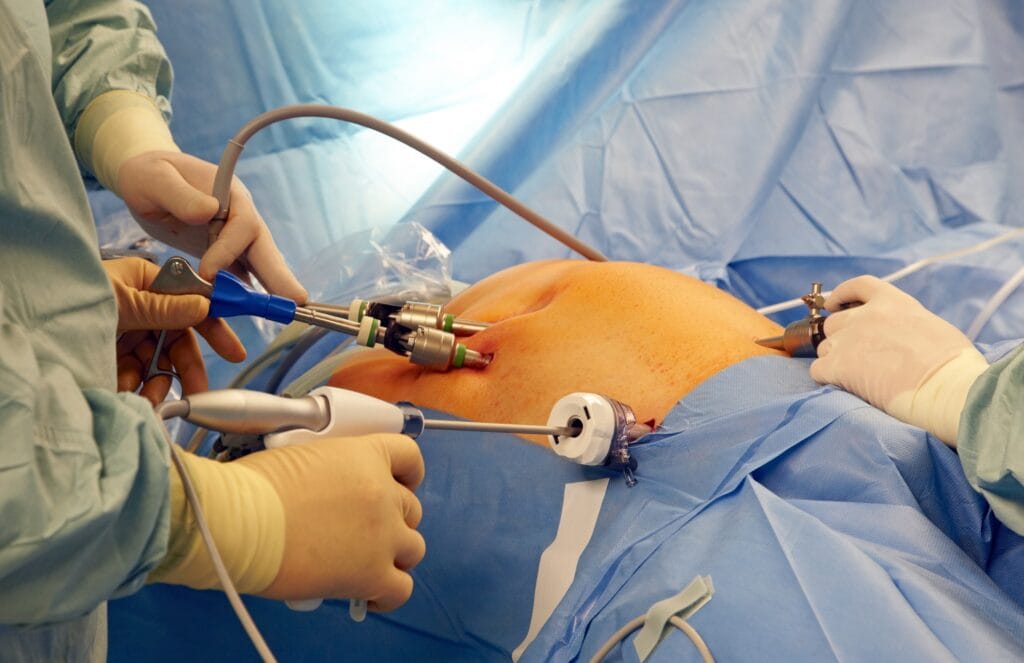
Minimally invasive laparoscopic and hysteroscopic surgery allows specialists to diagnose and treat endometriosis, uterine fibroids, uterine polyps, pelvic adhesions, and other reproductive conditions that may interfere with pregnancy.
What Happens After Fertility Testing?
Once your results are available, your fertility specialist will explain the findings and recommend the most appropriate treatment plan.
Treatment options may include:
- Lifestyle recommendations
- Ovulation induction
- Medication
- Intrauterine Insemination (IUI)
- In Vitro Fertilization (IVF)
- Intracytoplasmic Sperm Injection (ICSI)
- Fertility surgery when appropriate
As a result, every patient receives individualized care based on their diagnosis and reproductive goals.
Why Choose NUR Fertility?
- Experienced fertility specialists
- Comprehensive fertility testing
- Modern diagnostic technology
- Advanced IVF and ICSI services
- Personalized treatment plans
- Compassionate patient-centered care
Learn more about our experienced team by visiting About Fertility Specialists in Nairobi.
Schedule Your Fertility Assessment
Early fertility testing can identify reproductive challenges before they become more complex. Therefore, scheduling a consultation is an important first step toward achieving your family-building goals.
Begin your fertility journey today by Book a Fertility Consultation with our experienced fertility specialists.
Trusted Fertility Resources
Conclusion
Fertility testing is the first and most important step in diagnosing infertility. At NUR Fertility, comprehensive testing for both women and men allows our specialists to develop personalized treatment plans using evidence-based reproductive medicine. Therefore, early evaluation can help you move confidently toward your goal of building a family.
Frequently Asked Questions
What is the first fertility test performed?
The first step usually includes a medical consultation, health history review, and basic fertility testing for both partners.
Do both partners need fertility testing?
Yes. Evaluating both partners provides the most accurate diagnosis and helps determine the best treatment approach.
Is fertility testing painful?
Most fertility tests involve blood work, ultrasound imaging, or semen analysis and are generally well tolerated. Some specialized procedures may cause mild temporary discomfort.
How long does fertility testing take?
Some tests are completed in a single visit, while others are scheduled at specific times during the menstrual cycle for the most accurate results.
Can fertility testing determine the best treatment?
Yes. Test results help fertility specialists recommend treatments such as medication, IUI, IVF, ICSI, or fertility surgery based on your individual diagnosis.