
Fertility & Infertility Treatment in Kenya — Nur Fertility
Comprehensive fertility treatment in Kenya and expert infertility treatment in Kenya, delivered with compassion, precision, and world-class reproductive technology at Nairobi's trusted fertility clinic.
Book a Fertility Consultation
Understanding Your Path to Parenthood
Fertility is the natural ability to conceive and carry a pregnancy to term, while infertility describes the inability to achieve pregnancy after one year of regular, unprotected intercourse — or six months for women over 35. As a leading fertility clinic in Nairobi, Nur Fertility helps individuals and couples across the country understand what is happening in their bodies and what can be done about it.
Early diagnosis matters enormously in reproductive medicine. The sooner an underlying cause is identified, the more treatment options remain available and the higher the likelihood of a successful outcome. This is why consulting an experienced fertility specialist in Nairobi early — rather than waiting — gives you the best possible chance of building your family.
Access to reliable fertility care in Kenya has expanded significantly in recent years, meaning patients no longer need to travel abroad for advanced reproductive treatment. Nur Fertility brings internationally recognized standards of diagnosis and treatment directly to Nairobi, combining medical rigor with a deep understanding of the emotional realities couples face while trying to conceive.
Understanding Fertility
Female Fertility
Female fertility depends on regular ovulation, healthy fallopian tubes, a receptive uterine lining, and balanced reproductive hormones. Egg quantity and quality naturally decline with age, particularly after 35, which is why timing matters when planning a family.
Male Fertility
Male fertility relies on healthy sperm production, adequate sperm count, strong motility, and normal sperm shape (morphology). Hormonal balance and a healthy reproductive tract are equally essential for successful conception.
Factors Affecting Fertility
Age
Fertility potential declines gradually for women and more slowly for men as they age.
Hormonal Balance
Disruptions in reproductive hormones can affect ovulation and sperm production.
Reproductive Anatomy
Structural issues such as blocked tubes or varicocele can prevent conception.
Lifestyle & Environment
Diet, weight, smoking, alcohol, and toxin exposure all influence reproductive health.
Understanding Infertility
Primary Infertility
Difficulty conceiving for couples who have never had a successful pregnancy, despite regular unprotected intercourse over an extended period.
Secondary Infertility
Difficulty conceiving again after a previous successful pregnancy, often caused by new or previously undetected reproductive issues.
Common Symptoms
- Irregular or absent menstrual cycles
- Painful periods or pelvic pain
- Difficulty getting pregnant after a year of trying
- Recurrent miscarriage
- Signs of hormonal imbalance such as unusual hair growth or acne
- Low libido or erectile difficulties in male partners
Couples should seek medical help if pregnancy has not occurred after 12 months of trying (or 6 months for women over 35), or sooner if there is a known reproductive health condition, irregular cycles, or a history of pelvic surgery.
Causes of Female Infertility
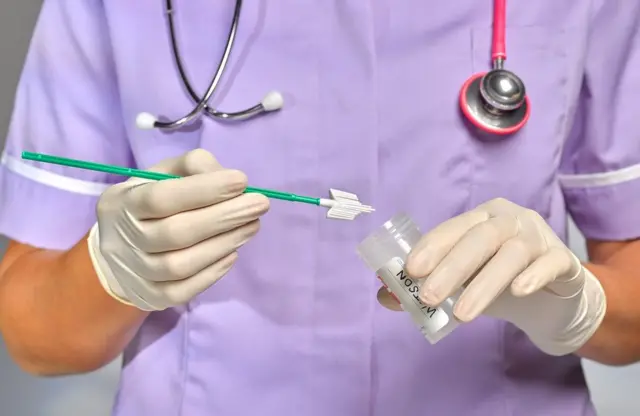
Female infertility can result from problems with ovulation, structural issues within the reproductive tract, or hormonal imbalances that disrupt the menstrual cycle. Identifying the exact cause through proper testing is the first step toward effective female infertility treatment. Below are the most common causes our specialists diagnose and treat at Nur Fertility.
PCOS
Polycystic Ovary Syndrome disrupts ovulation and is among the leading causes of female infertility.
Endometriosis
Tissue growth outside the uterus can cause inflammation and scarring that impairs fertility.
Blocked Fallopian Tubes
Blockages prevent the egg and sperm from meeting, often due to infection or prior surgery.
Ovulation Disorders
Irregular or absent ovulation reduces the chances of natural conception each cycle.
Fibroids
Non-cancerous uterine growths can interfere with implantation depending on size and location.
Hormonal Disorders
Thyroid dysfunction and prolactin imbalances can disrupt the menstrual cycle.
Age-Related Decline
Egg quantity and quality decrease progressively, particularly after age 35.
Lifestyle Factors
Smoking, excessive alcohol, and obesity can all reduce fertility potential.
Causes of Male Infertility
Male infertility accounts for roughly half of all cases and is often overlooked until a couple seeks a full fertility evaluation. Sperm health depends on several interconnected factors, and identifying the root cause allows our specialists to recommend the most effective male infertility treatment pathway.
Low Sperm Count
A reduced number of sperm significantly lowers the chance of natural fertilization.
Poor Sperm Motility
Weak sperm movement makes it harder for sperm to reach and fertilize the egg.
Abnormal Morphology
Irregularly shaped sperm are less able to penetrate and fertilize an egg.
Hormonal Disorders
Low testosterone or other hormonal imbalances can impair sperm production.
Varicocele
Enlarged veins in the scrotum can raise testicular temperature and reduce sperm quality.
Infections
Certain infections can damage sperm production or block sperm delivery.
Lifestyle Factors
Smoking, alcohol, heat exposure, and obesity can all impair male fertility.
Risk Factors for Infertility
Several lifestyle and medical risk factors can affect both male and female fertility. Recognizing them early allows for timely intervention.
- Advancing age (35+ for women, 40+ for men)
- Smoking and tobacco use
- Excessive alcohol consumption
- Obesity or being significantly underweight
- Diabetes and other metabolic conditions
- Chronic stress
- Previous pelvic, abdominal, or reproductive surgeries
- Genetic conditions affecting reproduction
- Environmental toxin exposure
Signs You Should See a Fertility Specialist
- You have been trying to conceive for 12 months without success (6 months if you're over 35)
- You experience irregular, painful, or absent periods
- You have a history of two or more miscarriages
- You have been diagnosed with PCOS, endometriosis, or fibroids
- Your partner has known male fertility issues
- You've had previous pelvic surgery, STIs, or chemotherapy
- You want to explore fertility preservation before starting a family later
Fertility Evaluation & Assessment
A thorough fertility assessment is the foundation of effective treatment. At Nur Fertility, evaluation is tailored to both partners to identify the true cause of infertility.
| Female Investigations | Male Investigations |
|---|---|
| Pelvic ultrasound scan | Semen analysis |
| Hormone testing (FSH, LH, AMH, prolactin) | Hormone profile testing |
| Ovarian reserve testing | Scrotal or testicular imaging |
| Hysterosalpingogram (HSG) for tubal patency | Physical examination |
| Blood tests and infection screening | Genetic testing where indicated |
Most fertility investigations can be completed within one or two menstrual cycles, allowing our specialists to build a clear clinical picture quickly. Results are reviewed together with both partners, so you fully understand what is happening and what your realistic treatment options are before any decisions are made.
Treatment Options at Nur Fertility
Every patient's path is different. Our fertility specialists design personalized treatment plans that may include one or more of the following fertility solutions , always starting with the least invasive option that is clinically appropriate for your diagnosis.
Treatment usually progresses in stages: many patients begin with natural fertility optimization or ovulation induction, moving to IUI if timed insemination is appropriate, and to IVF or ICSI when more advanced assistance is needed. Your fertility doctor will walk you through exactly why a particular step is recommended for your specific situation, and what success rates look like at each stage.
Natural Fertility Optimization
Guided lifestyle, nutrition, and cycle-tracking strategies to maximize natural conception chances.
Ovulation Induction
Medication-assisted stimulation of ovulation for women with irregular or absent cycles.
Lifestyle Management
Structured guidance on weight, diet, and habits shown to improve fertility outcomes.
Fertility Medications
Hormonal treatments to correct imbalances affecting ovulation or sperm production.
IUI (Intrauterine Insemination)
Washed, concentrated sperm placed directly into the uterus around ovulation.
IVF (In Vitro Fertilization)
Eggs and sperm are combined in the lab, with the healthiest embryo transferred to the uterus.
ICSI
A single sperm is injected directly into an egg — ideal for severe male factor infertility.
Fertility Preservation
Egg and embryo freezing options for patients wanting to protect future fertility.
Fertility Preservation Options
- Egg Freezing: Preserves eggs at their current quality for future use, ideal for career planning or medical treatment before chemotherapy.
- Embryo Freezing: Fertilized embryos are frozen for future transfer, commonly used alongside IVF cycles.
- Donor Programs: Donor egg, sperm, or embryo options available for patients who need them, guided with full confidentiality and care.
Why Choose Nur Fertility
Choosing the right clinic can shape the entire experience of your fertility journey. As one of the best fertility clinics in Kenya, Nur Fertility combines clinical excellence with genuine, patient-first care so you never feel like just another case file.
Experienced Specialists
Our fertility doctors bring years of dedicated reproductive medicine experience to every case.
Personalized Treatment Plans
No two patients are alike — your plan is built around your specific diagnosis and goals.
Modern Laboratory
Our embryology lab meets high clinical standards for accuracy and safety.
Advanced Technology
From ICSI to embryo freezing, we offer the full range of assisted reproductive technology.
Compassionate Care
We understand the emotional weight of fertility journeys and treat every patient with empathy.
Confidential Consultations
Your privacy and comfort are protected at every step of your care.

Frequently Asked Questions
Below are answers to some of the questions our fertility specialists hear most often from patients across Kenya considering fertility care.
What is the difference between fertility and infertility?
Fertility is the natural ability to conceive, while infertility is the inability to achieve pregnancy after a year of regular, unprotected intercourse (six months if the woman is over 35).
When should I see a fertility specialist in Nairobi?
You should book a consultation after 12 months of trying to conceive without success, or sooner if you have irregular cycles, known reproductive conditions, or are over 35.
What are the most common causes of female infertility?
PCOS, endometriosis, blocked fallopian tubes, ovulation disorders, fibroids, and age-related decline in egg quality are among the most common causes.
What causes male infertility?
Low sperm count, poor motility, abnormal morphology, hormonal imbalances, varicocele, and infections are leading causes of male infertility.
Is infertility always a female issue?
No. Roughly half of all infertility cases involve a male factor, either alone or combined with a female factor, which is why both partners are evaluated.
What tests are done during a fertility assessment?
Women typically undergo ultrasound, hormone testing, ovarian reserve testing, and an HSG. Men undergo semen analysis, hormone testing, and physical examination.
What is the difference between IUI and IVF?
IUI places prepared sperm directly into the uterus, while IVF fertilizes eggs with sperm in a lab before transferring an embryo into the uterus. IVF is generally used for more complex cases.
What is ICSI and who needs it?
ICSI involves injecting a single sperm directly into an egg. It is commonly used for severe male factor infertility or after failed conventional fertilization.
How much does IVF cost in Kenya?
IVF costs vary depending on the treatment protocol and individual needs. Our team provides transparent, itemized pricing during your consultation.
Can lifestyle changes improve fertility?
Yes. Maintaining a healthy weight, reducing alcohol and smoking, managing stress, and eating a balanced diet can meaningfully improve fertility outcomes.
What is egg freezing and who is it for?
Egg freezing preserves eggs at their current quality for future use. It is ideal for women delaying pregnancy for career, medical, or personal reasons.
Does age really affect fertility that much?
Yes. Female fertility declines gradually starting in the early 30s and more rapidly after 35, primarily due to reduced egg quantity and quality. Male fertility also declines gradually with age.
What is secondary infertility?
Secondary infertility refers to difficulty conceiving again after a previous successful pregnancy, and can result from new reproductive health issues that developed since then.
Are fertility consultations confidential?
Absolutely. All consultations, testing, and treatment at Nur Fertility are handled with strict confidentiality and patient privacy.
Do you offer donor egg or sperm programs?
Yes, donor programs are available for patients who need them, guided with full support, counseling, and confidentiality throughout the process.
How do I book a fertility consultation at Nur Fertility?
You can book directly through our website's appointment page or contact our clinic team, who will guide you through scheduling your first visit.
Take the First Step Toward Parenthood
Whatever stage of your fertility journey you're on, the specialists at Nur Fertility are here to guide you with expert care, honest answers, and a personalized treatment plan.
Book Your Fertility Consultation