
Understanding the causes of infertility in women Kenya is important for early diagnosis and effective treatment. Infertility affects many women in Kenya, yet many do not know the exact medical reasons behind it. Therefore, learning the causes helps in seeking timely medical care.
Moreover, infertility is not a single condition. Instead, it results from several medical, hormonal, and lifestyle factors. In addition, early evaluation improves treatment success and increases the chances of pregnancy.
What Are the Causes of Infertility in Women in Kenya?
Female infertility occurs when a woman cannot conceive after regular unprotected intercourse for at least one year. However, many underlying conditions can cause this challenge.
For example, hormonal imbalance, blocked fallopian tubes, and ovulation problems are common causes. As a result, proper diagnosis is essential for effective treatment.
You can learn more about specialist care at About Fertility Specialists in Nairobi. In addition, you can take action early by choosing to Book a Fertility Consultation.
Common Causes of Infertility in Women in Kenya
1. Ovulation Disorders
Ovulation problems are one of the leading causes of infertility. Therefore, eggs may not be released regularly or at all. Conditions such as PCOS (Polycystic Ovary Syndrome) often affect ovulation.
2. Blocked Fallopian Tubes
Blocked tubes prevent sperm from reaching the egg. However, infections like pelvic inflammatory disease (PID) are common causes. As a result, fertilization cannot occur naturally.
3. Hormonal Imbalance
Hormones control reproduction. Therefore, any imbalance can affect fertility. For example, thyroid disorders and high prolactin levels disrupt ovulation cycles.
4. Endometriosis
Endometriosis occurs when tissue similar to the uterine lining grows outside the uterus. Moreover, it causes pain and reduces fertility chances significantly.
5. Uterine or Cervical Problems
Structural issues in the uterus can prevent implantation. For example, fibroids or polyps may interfere with pregnancy. Therefore, medical evaluation is necessary.
6. Age Factor
Female fertility naturally declines with age. In addition, egg quality reduces significantly after age 35. As a result, conception becomes more difficult.
7. Lifestyle Factors
Unhealthy habits can affect fertility. For example:
- Smoking reduces egg quality
- Excess alcohol affects hormone balance
- Obesity disrupts ovulation
- High stress impacts reproductive health
Diagnosis of Infertility in Women in Kenya
Doctors use several tests to identify infertility causes. Therefore, early diagnosis improves treatment outcomes. Common tests include:
- Hormone blood tests
- Ultrasound scans
- Hysterosalpingography (HSG)
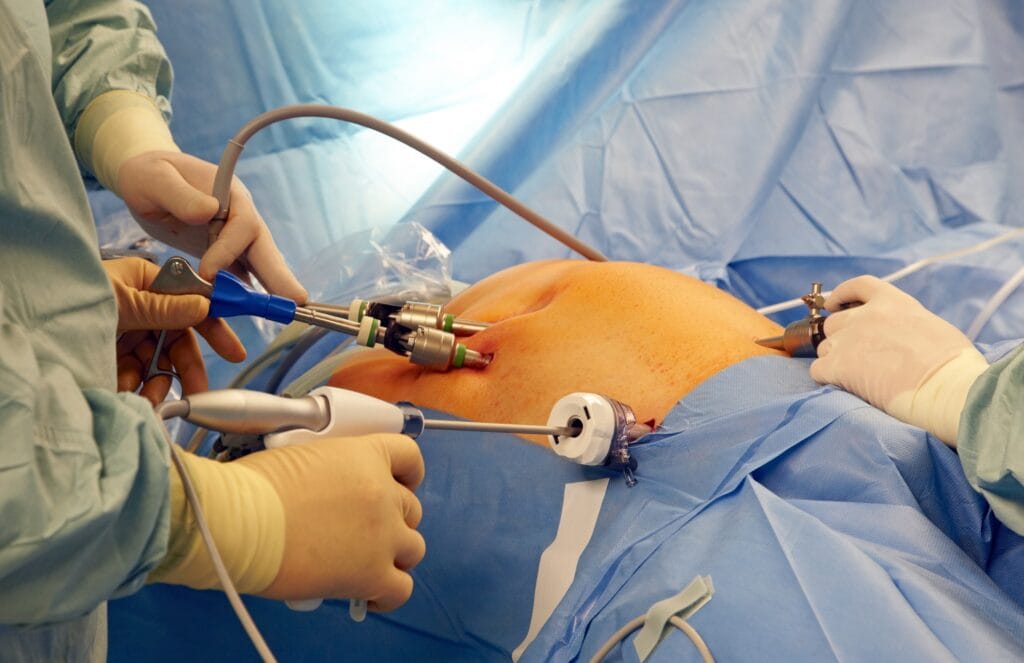
- Laparoscopy procedures
In addition, specialists may review medical history and lifestyle factors before recommending treatment.
Medical Treatment Options in Kenya
Infertility treatment depends on the cause. However, modern fertility care in Kenya offers several solutions.
For example, medication can regulate ovulation. Moreover, surgical procedures can remove fibroids or unblock tubes. As a result, natural conception becomes possible in some cases.
In more complex cases, assisted reproduction such as IVF is recommended. Therefore, early consultation is very important.
When to See a Fertility Specialist
You should see a specialist if you have tried to conceive for more than one year without success. However, women over 35 should seek help after six months.
In addition, irregular periods or severe pelvic pain are warning signs. Therefore, early medical attention improves success rates.
Expert Fertility Care in Kenya
Kenya has advanced fertility clinics offering modern diagnosis and treatment. Moreover, specialists provide personalized care based on each patient’s condition.
You can explore expert services at About Fertility Specialists in Nairobi. In addition, you can begin treatment by choosing to Book a Fertility Consultation.
Global Medical Guidelines on Infertility
According to the World Health Organization fertility guidelines, infertility is a global reproductive health issue affecting millions of couples.
In addition, the Mayo Clinic infertility guide explains that early diagnosis and treatment significantly improve pregnancy outcomes.
Conclusion
The causes of infertility in women Kenya vary from hormonal imbalance to structural reproductive issues. However, most conditions can be treated with proper medical care.
Therefore, early diagnosis is very important. In addition, lifestyle changes and specialist treatment improve fertility outcomes. If you are experiencing difficulties, seek expert help as soon as possible.
Frequently Asked Questions (FAQ)
1. What are the main causes of infertility in women in Kenya?
Common causes include ovulation disorders, blocked tubes, hormonal imbalance, and endometriosis.
2. Can infertility in women be treated?
Yes, many causes of infertility can be treated with medication, surgery, or IVF.
3. Does age affect female fertility?
Yes, fertility decreases significantly after age 35 due to reduced egg quality.
4. What are symptoms of infertility in women?
Symptoms include irregular periods, painful cycles, and difficulty conceiving.
5. When should I see a doctor for infertility?
If you fail to conceive after one year, or six months if over 35, seek medical help.
6. Can stress cause infertility?
Yes, high stress can affect hormone balance and ovulation cycles.
7. Is IVF available in Kenya?
Yes, IVF is available in advanced fertility clinics across Kenya, especially in Nairobi.