
Understanding how IVF works in Kenya is important for couples facing infertility challenges. IVF, or In Vitro Fertilization, is a modern fertility treatment that helps couples conceive when natural methods fail. In Kenya, IVF services are now widely available in advanced fertility clinics, especially in major cities like Nairobi.
Moreover, the IVF process follows a clear medical structure. Therefore, patients can understand each stage and prepare better. In addition, knowing how IVF works reduces anxiety and improves confidence during treatment.
What is IVF and How IVF Works in Kenya
IVF is a process where eggs and sperm are combined outside the body in a laboratory. After fertilization, the embryo is transferred into the uterus. However, the treatment involves several carefully monitored steps.
For example, Kenyan fertility clinics follow international medical standards. As a result, patients receive safe and structured care throughout the journey.
You can learn more about expert fertility care at About Fertility Specialists in Nairobi. In addition, you can begin treatment by choosing to Book a Fertility Consultation.
Step-by-Step Process: How IVF Works in Kenya
1. Fertility Consultation and Diagnosis
First, the doctor evaluates both partners. Then, fertility tests are conducted to check hormone levels, sperm quality, and reproductive health. Therefore, the doctor creates a personalized treatment plan.
2. Ovarian Stimulation
Next, fertility medications are used to stimulate the ovaries. Moreover, multiple eggs are produced instead of one. As a result, the chances of success increase significantly.
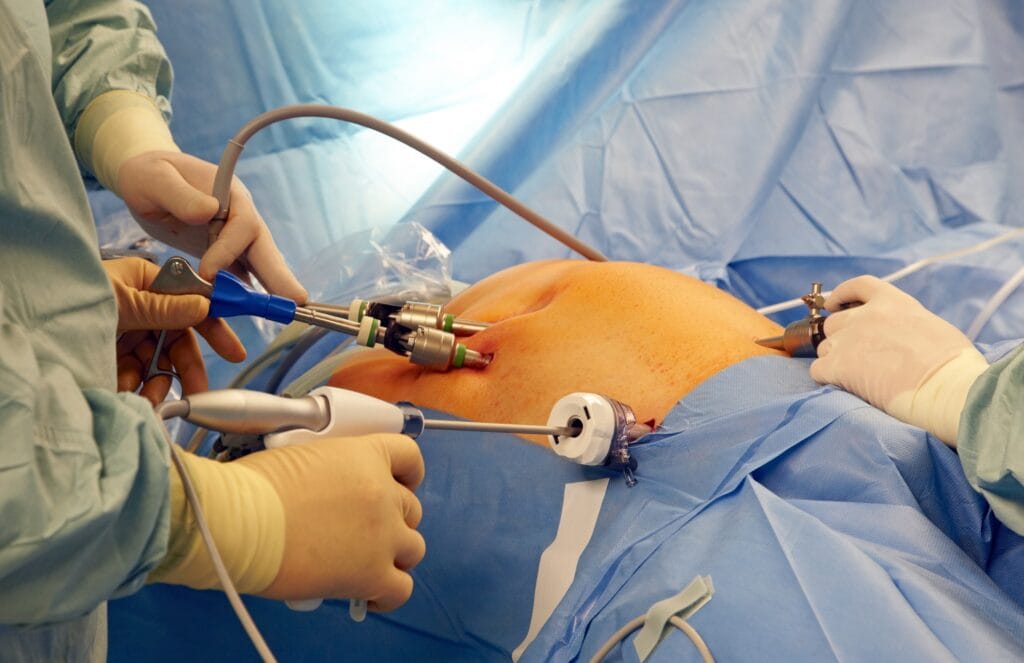
3. Egg Retrieval Procedure
Doctors collect mature eggs through a minor surgical procedure. However, this is done under sedation to ensure comfort and safety.
4. Sperm Collection and Fertilization
After egg retrieval, sperm is collected from the partner or donor. In addition, fertilization takes place in a controlled laboratory environment. Therefore, embryos begin to develop within days.
5. Embryo Culture and Selection
Embryos are monitored for several days. For example, specialists check growth and quality. As a result, the healthiest embryo is selected for transfer.
6. Embryo Transfer
The selected embryo is placed into the uterus using a thin tube. This procedure is simple and usually painless. However, rest is recommended afterward for better results.
7. Pregnancy Test and Monitoring
Finally, a blood test is done after about two weeks. Therefore, doctors confirm whether pregnancy has occurred and provide follow-up care.
Success Factors of IVF in Kenya
Several factors influence IVF success in Kenya. For instance, age, egg quality, sperm health, and lifestyle choices are very important. Moreover, clinic expertise plays a major role in outcomes.
In addition, emotional stability and proper medical guidance improve success rates. Therefore, patients should follow all instructions carefully during treatment.
IVF Guidelines and Medical Standards
According to the World Health Organization fertility guidelines, infertility is a global health condition affecting millions of couples. Therefore, early diagnosis and treatment are highly recommended.
In addition, the Mayo Clinic IVF resource explains how assisted reproductive technology improves chances of conception through medical innovation.
Why IVF in Kenya is Growing in Demand
Kenya has seen rapid growth in fertility treatment services. Therefore, many couples now access advanced IVF care locally instead of traveling abroad. In addition, Nairobi offers modern clinics with advanced laboratories.
Moreover, experienced fertility specialists provide personalized treatment plans. As a result, patients receive both medical and emotional support throughout the process.
Emotional Support During IVF Treatment
IVF can feel stressful at times. However, support from doctors, partners, and counselors makes the journey easier. In addition, maintaining a healthy lifestyle improves both emotional and physical well-being.
Therefore, patients are encouraged to stay patient and positive throughout the treatment cycle.
Conclusion: Understanding How IVF Works in Kenya
Understanding how IVF works in Kenya helps couples make informed decisions. However, success depends on proper medical care, timing, and healthy lifestyle habits.
Therefore, choosing the right fertility clinic is very important. You can start your journey today by consulting experts at Book a Fertility Consultation.
Frequently Asked Questions (FAQ)
1. How does IVF work in Kenya?
IVF works by combining eggs and sperm in a lab, then transferring embryos into the uterus.
2. Is IVF available in Kenya?
Yes, IVF is available in major fertility clinics, especially in Nairobi.
3. How long does IVF take in Kenya?
One IVF cycle usually takes 4 to 6 weeks depending on the patient’s response.
4. Is IVF painful?
Most procedures are minimally painful and done under medical supervision.
5. What is the success rate of IVF in Kenya?
Success rates vary but generally range from 30% to 60% per cycle.
6. Who needs IVF treatment?
Couples with infertility issues, blocked tubes, or low sperm count may need IVF.
7. Can lifestyle affect IVF success?
Yes, healthy diet, exercise, and stress management improve success rates significantly.