
Intracytoplasmic Sperm Injection (ICSI) is an advanced form of in vitro fertilization (IVF) that helps overcome severe male infertility and fertilization issues. At NUR Fertility in Nairobi, we offer expert ICSI treatment to support couples who may have struggled with conventional IVF or face complex fertility challenges. With this precise and effective technique, we help increase your chances of successful fertilization and pregnancy.
ICSI (pronounced “ick-see”) involves the injection of a single healthy sperm directly into a mature egg under a microscope. This method bypasses many of the natural barriers to fertilization, making it ideal for couples with male factor infertility or previous fertilization failure.
ICSI is performed as part of an IVF cycle and takes place in our highly equipped fertility laboratory under the care of trained embryologists.
ICSI may be the best option when:
There is very low sperm count, poor motility, or abnormal sperm shape
Previous IVF cycles resulted in poor or no fertilization
Sperm has been surgically retrieved (e.g., TESA or PESA)
Sperm was frozen before cancer treatment or vasectomy
There are antisperm antibodies present
Fertilization is needed with donor eggs or frozen eggs
Your fertility specialist will recommend ICSI based on semen analysis and medical history.
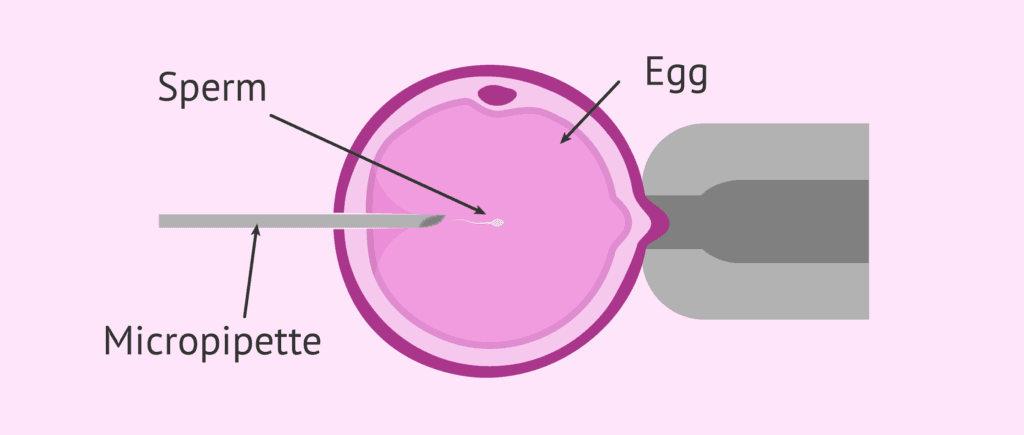
ICSI is part of a structured IVF cycle and involves the following key steps:
1. Ovarian Stimulation & Egg Retrieval
Fertility medications are used to stimulate egg production. Once mature, eggs are collected through a minor procedure.
2. Sperm Collection and Preparation
Sperm is collected from the partner or through surgical retrieval. Our lab prepares the healthiest sperm for the ICSI procedure.
3. Microinjection of Sperm into Eggs
A single sperm is selected and injected into each mature egg using microscopic tools. The process is delicate and requires high precision.
4. Embryo Culture and Monitoring
Fertilized eggs (embryos) are cultured in a lab for a few days. The healthiest embryos are selected for transfer.
5. Embryo Transfer and Pregnancy Test
One or two embryos are transferred into the uterus. A pregnancy test is performed about 14 days later.
Enables fertilization in severe male infertility cases
Helps couples who’ve had unsuccessful IVF
Allows use of very limited sperm samples
Offers higher fertilization rates in specific cases
Can be used with frozen or surgically retrieved sperm
ICSI does not affect the development of the embryo, and most couples using this method go on to have healthy pregnancies and babies.
NUR Fertility is one of Nairobi’s leading fertility clinics, equipped with modern labs and an experienced team of specialists. We offer personalized ICSI cycles, compassionate care, and the latest in fertility technology to maximize your chances of success.
If you’re facing male infertility or have had failed fertilization with IVF, schedule your ICSI consultation at NUR Fertility in Nairobi and take the next step toward achieving a successful pregnancy.
NUR Fertility is a leading reproductive health clinic in Nairobi, Kenya, offering personalized gynecology, obstetrics, and fertility care. Our expert team is dedicated to helping individuals and couples achieve their dream of parenthood through compassionate, science-driven services.
Lumen Square 3rd Floor Room 304
Opposite Mpsha Hospital
© Copyright Nur Fertility Clinic . All rights reserved
Designed by KINS Solutions – 0706528659