Intracytoplasmic Sperm Injection (ICSI) in Kenya – Complete Guide
Understanding
Intracytoplasmic Sperm Injection (ICSI) can help couples overcome serious fertility challenges. Many people struggle with conception due to male infertility. However, modern treatment options now offer real solutions.
If you are exploring
Intracytoplasmic Sperm Injection (ICSI) in Kenya, this guide explains everything clearly. In addition, it shows how ICSI improves IVF outcomes and increases pregnancy chances.
According to the
World Health Organization, access to advanced fertility care improves outcomes. Therefore, more couples today achieve successful pregnancies.
What is Intracytoplasmic Sperm Injection (ICSI)?
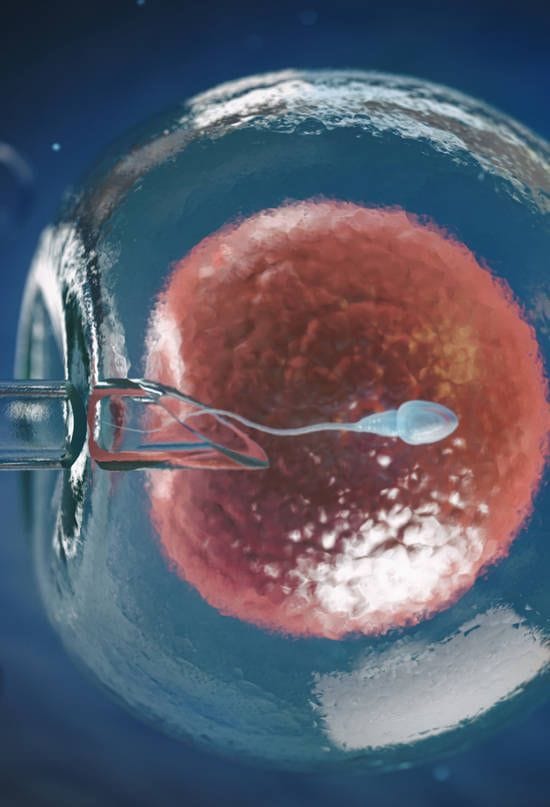
Intracytoplasmic Sperm Injection (ICSI) is an advanced IVF technique. During this procedure, a specialist injects a single sperm directly into an egg. As a result, fertilization becomes more reliable.
Unlike traditional IVF, ICSI does not depend on sperm movement. Instead, it ensures that fertilization takes place even when sperm quality is low.
How ICSI Works
Intracytoplasmic Sperm Injection (ICSI) follows a step-by-step process. Each stage supports successful fertilization.
1. Egg Retrieval
First, doctors collect mature eggs from the ovaries. The procedure is simple and safe. Afterward, patients recover quickly.
2. Sperm Collection
Next, specialists collect sperm samples. In some cases, they use minor procedures to retrieve sperm. Therefore, even severe infertility cases can be treated.
3. Sperm Injection
Then, an expert selects a healthy sperm. Using precision tools, they inject it directly into the egg. As a result, fertilization is achieved.
4. Embryo Development
After fertilization, embryos begin to develop. Specialists monitor them daily. This helps identify strong embryos for transfer.
5. Embryo Transfer
Finally, doctors place the best embryo into the uterus. This step aims to achieve pregnancy.
Who Should Consider ICSI?
Intracytoplasmic Sperm Injection (ICSI) is suitable for several cases. For example, doctors recommend it when:
- Sperm count is low
- Sperm movement is weak
- Sperm shape is abnormal
- Previous IVF attempts failed
- Sperm retrieval is required
Because of these advantages, ICSI gives hope to many couples.
Benefits of ICSI
ICSI offers clear and practical benefits. As a result, it is widely used in fertility clinics.
- Improves fertilization success
- Overcomes male infertility challenges
- Increases chances of pregnancy
- Works with limited sperm samples
In addition, this method allows doctors to control fertilization more accurately.
ICSI Success Rates in Kenya
Intracytoplasmic Sperm Injection (ICSI) can improve IVF success rates. However, results depend on several factors.
- Age of the patient
- Egg quality
- Clinic experience
Therefore, choosing the right fertility clinic is very important.
ICSI vs IVF
Many patients compare IVF and
ICSI. Although both methods are effective, they work differently.
- IVF allows natural fertilization in a lab
- ICSI injects sperm directly into the egg
Because of this difference, doctors often recommend ICSI for male infertility cases.
Risks and Considerations
ICSI is generally safe. However, patients should understand a few points.
- Pregnancy is not guaranteed
- Treatment costs may be higher
- Advanced technology is required
Even so, many patients achieve positive outcomes.
Lifestyle Tips to Improve ICSI Success
Healthy habits can support better results. Therefore, patients should focus on overall wellness.
- Maintain a balanced diet
- Exercise regularly
- Avoid smoking and alcohol
- Reduce stress levels
In addition, following medical advice improves treatment success.
Why Choose NUR Fertility
NUR Fertility offers advanced
Intracytoplasmic Sperm Injection (ICSI) in Kenya. The clinic uses modern technology and experienced specialists.
Learn more about our team and expertise
here.
As a result, patients receive personalized care and better outcomes.
Common Misconceptions About ICSI
Some myths can confuse patients. However, it is important to understand the facts.
- ICSI does not guarantee pregnancy
- ICSI is not only for extreme cases
- ICSI supports IVF but does not replace it
Therefore, accurate information helps patients make better decisions.
Frequently Asked Questions
Is ICSI safe?
Yes, specialists perform ICSI using advanced techniques. As a result, the procedure is safe.
Does ICSI improve success rates?
Yes, it increases fertilization success, especially in male infertility cases.
Is ICSI painful?
No, doctors perform procedures under controlled conditions. Therefore, discomfort is minimal.
Final Thoughts
Intracytoplasmic Sperm Injection (ICSI) offers a powerful solution for couples facing infertility. With the right care, success becomes possible.
Book Consultation
Speak to a fertility specialist today. Start your
ICSI journey and take the next step toward parenthood.