
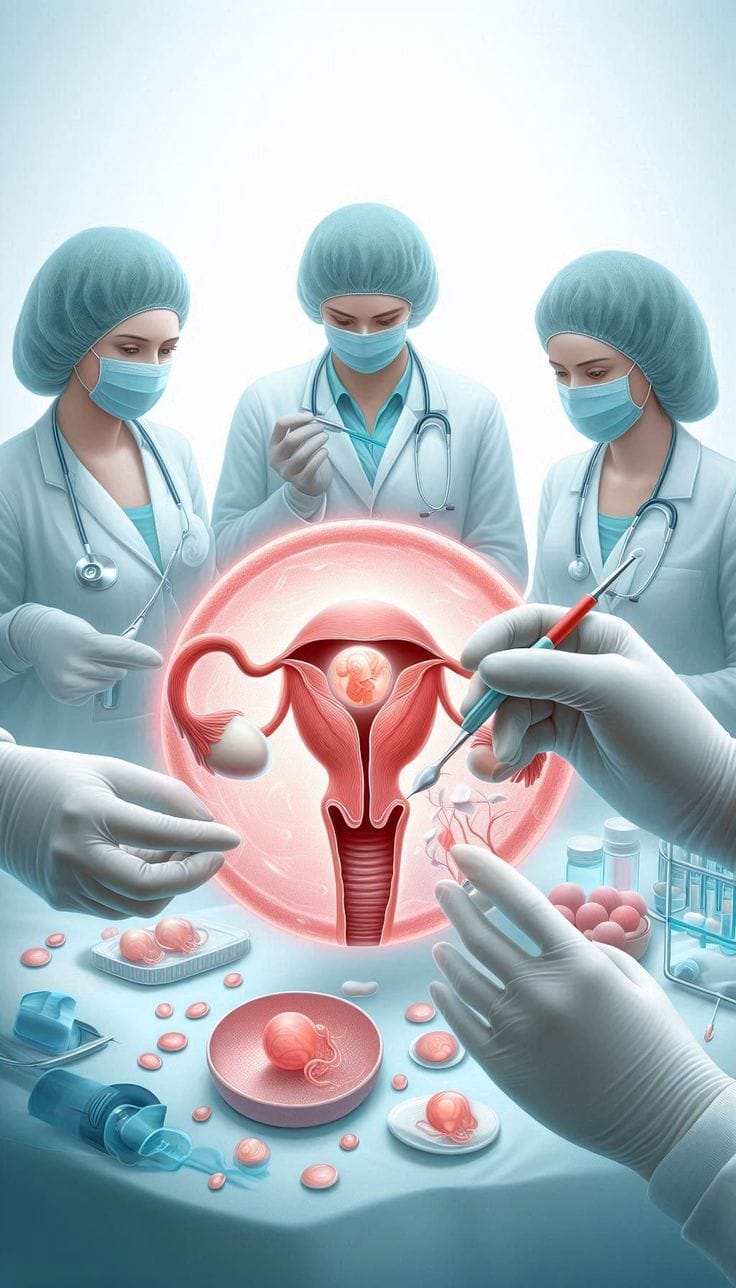
Understanding the difference between IVF and IUI is important for couples exploring fertility treatment options. Both IVF (In Vitro Fertilization) and IUI (Intrauterine Insemination) help improve chances of pregnancy. However, they work in very different ways.
Moreover, choosing the right treatment depends on the cause of infertility, age, and medical history. In addition, understanding both procedures helps patients make informed decisions with their fertility specialist.
What is the Difference Between IVF and IUI?
The main difference between IVF and IUI lies in where fertilization happens. In IVF, fertilization occurs outside the body in a laboratory. However, in IUI, sperm is placed directly into the uterus to improve natural fertilization.
For example, IVF is more advanced and involves multiple steps. On the other hand, IUI is simpler and less invasive. As a result, each treatment is recommended for different fertility conditions.
You can learn more about expert fertility care at About Fertility Specialists in Nairobi. In addition, you can take the next step by choosing to Book a Fertility Consultation.
What is IVF (In Vitro Fertilization)?
IVF is a fertility treatment where eggs and sperm are combined in a laboratory. After fertilization, embryos are transferred into the uterus. Therefore, IVF bypasses many natural barriers to conception.
Moreover, IVF is recommended for more complex infertility cases. For example, blocked fallopian tubes or severe male infertility often require IVF treatment.
What is IUI (Intrauterine Insemination)?
IUI is a simpler fertility treatment. In this procedure, washed and concentrated sperm is placed directly into the uterus. Therefore, it increases the chances of sperm reaching the egg naturally.
However, IUI still requires normal egg release and open fallopian tubes. As a result, it is usually recommended for mild infertility cases.
Step-by-Step IVF vs IUI Comparison
IVF Process
- Ovarian stimulation with medication
- Egg retrieval from ovaries
- Fertilization in laboratory
- Embryo development and selection
- Embryo transfer into uterus
IUI Process
- Ovulation monitoring
- Sperm collection and washing
- Sperm placement into uterus
- Natural fertilization occurs inside body
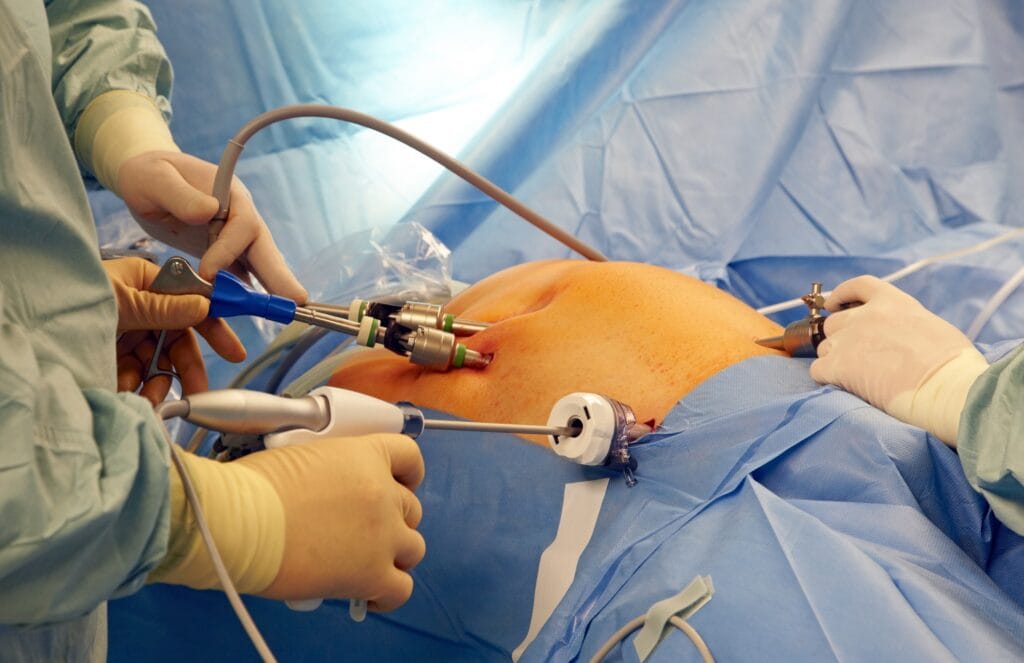
Visual Understanding of Fertility Treatment
Key Differences Between IVF and IUI
Both treatments aim to achieve pregnancy. However, they differ in complexity, cost, and success rates.
- Fertilization: IVF happens in a lab, IUI happens inside the body
- Complexity: IVF is more advanced than IUI
- Success Rate: IVF is generally higher
- Cost: IVF is more expensive than IUI
- Usage: IVF is used for severe infertility cases
When to Choose IVF or IUI
Choosing between IVF and IUI depends on medical diagnosis. For example, IUI is suitable for mild infertility or unexplained cases. However, IVF is recommended for more complex conditions.
Moreover, age plays an important role. Therefore, women over 35 may be advised to consider IVF earlier for better success rates.
Success Rates of IVF vs IUI
IVF generally has higher success rates compared to IUI. However, success depends on age, health, and infertility cause.
In addition, multiple cycles may be needed for both treatments. Therefore, patients should follow medical advice closely for the best outcome.
Medical Guidelines and Global Insights
According to the World Health Organization fertility guidelines, infertility affects millions globally. Therefore, timely treatment improves reproductive outcomes significantly.
In addition, the Mayo Clinic IUI guide explains that IUI is often the first step before IVF in fertility treatment plans.
Fertility Care in Kenya
Kenya offers advanced fertility treatments including both IVF and IUI. Moreover, clinics in Nairobi provide modern reproductive technology and experienced specialists.
Therefore, couples can access personalized treatment plans based on their condition. In addition, early consultation improves success rates significantly.
Conclusion: Understanding IVF vs IUI
The difference between IVF and IUI lies in complexity, cost, and fertilization method. However, both treatments help couples achieve pregnancy successfully.
Therefore, choosing the right option depends on medical evaluation and specialist advice. In addition, early consultation improves your chances of success.
Frequently Asked Questions (FAQ)
1. What is the main difference between IVF and IUI?
IVF fertilization happens in a lab, while IUI fertilization happens inside the body.
2. Which is more successful, IVF or IUI?
IVF generally has higher success rates compared to IUI.
3. Is IUI painful?
IUI is a simple and usually painless procedure.
4. When should I choose IVF instead of IUI?
IVF is recommended for severe infertility or when IUI fails.
5. How long does IVF take?
One IVF cycle usually takes 4 to 6 weeks.
6. Can lifestyle affect IVF and IUI success?
Yes, healthy lifestyle choices improve fertility treatment outcomes.
7. Is fertility treatment available in Kenya?
Yes, both IVF and IUI are available in advanced fertility clinics in Kenya.