
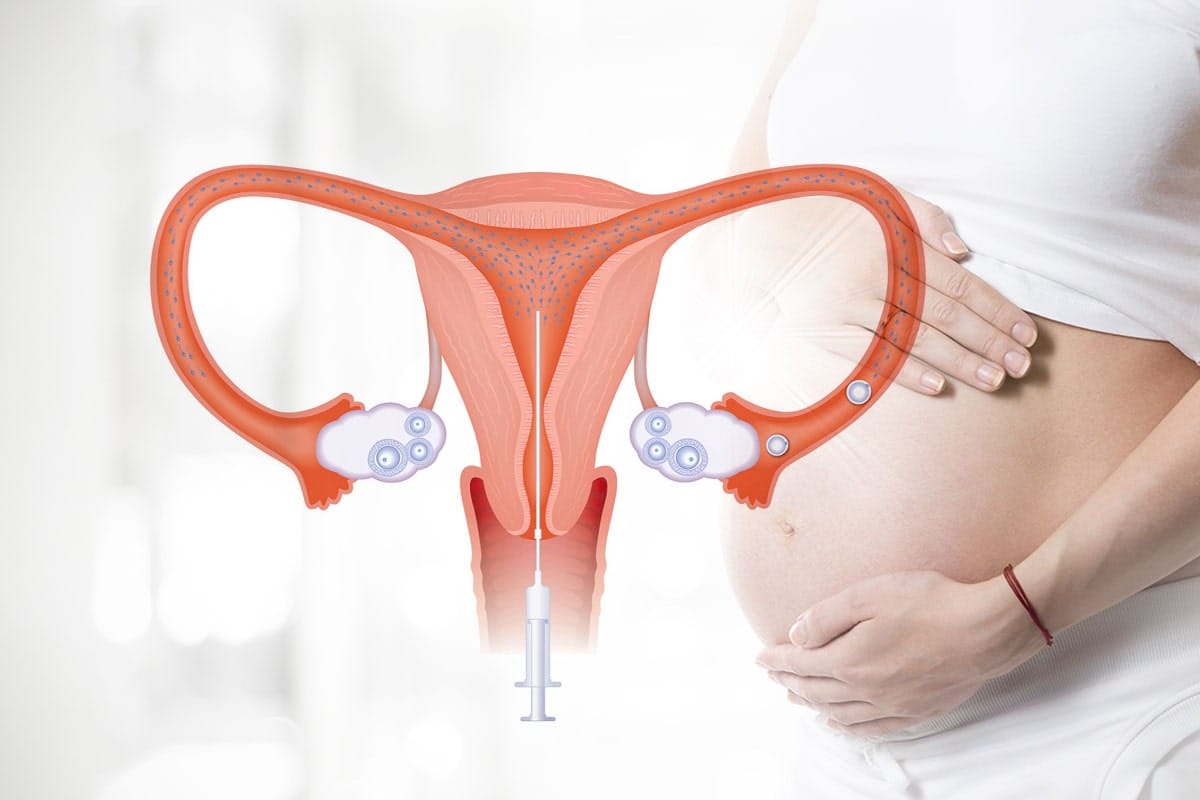
Understanding what is ICSI fertility treatment is important for couples facing severe infertility challenges. ICSI (Intracytoplasmic Sperm Injection) is an advanced fertility procedure used alongside IVF to help achieve pregnancy when sperm-related issues are present.
Moreover, ICSI has improved success rates for couples who previously had limited options. Therefore, it is widely used in modern fertility clinics in Kenya and around the world. In addition, it provides hope for male infertility cases that cannot be treated with standard IVF alone.
What Is ICSI Fertility Treatment?
ICSI is a laboratory technique where a single sperm is injected directly into an egg. However, this process differs from standard IVF where sperm and eggs are mixed together in a dish.
For example, ICSI is mainly used when sperm count is very low or sperm quality is poor. As a result, fertilization becomes possible even in severe male infertility cases.
You can learn more about expert fertility care at About Fertility Specialists in Nairobi. In addition, you can begin your treatment journey by choosing to Book a Fertility Consultation.
How ICSI Fertility Treatment Works
1. Ovarian Stimulation
First, the female partner takes fertility medication to stimulate egg production. Therefore, multiple eggs are developed for collection.
2. Egg Retrieval
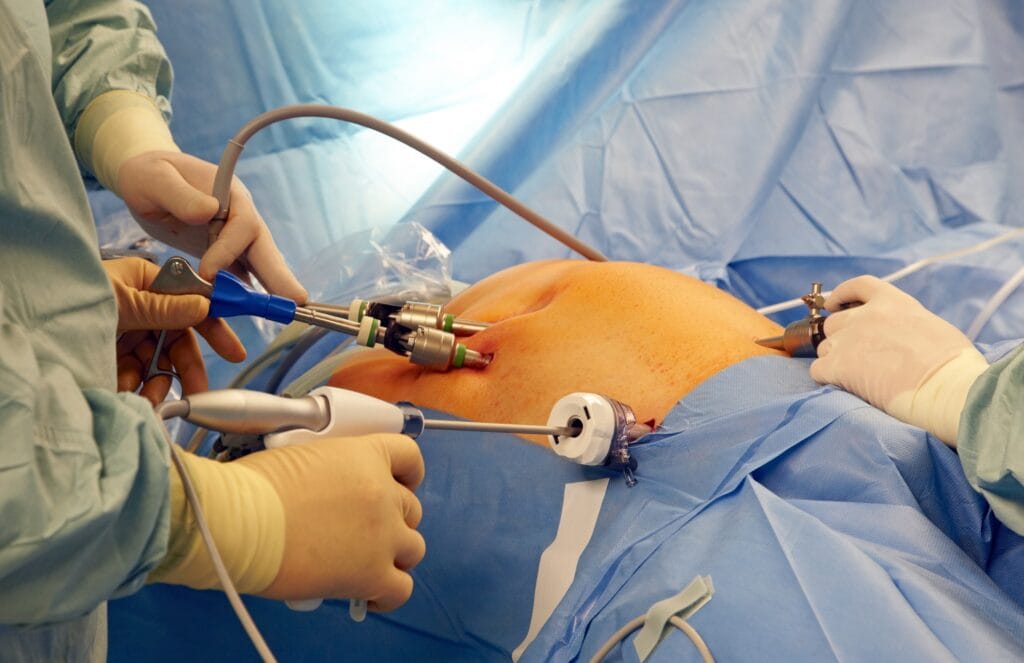
Next, mature eggs are collected from the ovaries using a minor surgical procedure. However, this is done under sedation for comfort.
3. Sperm Collection
Sperm is collected from the male partner or donor. In addition, laboratory experts prepare the healthiest sperm for injection.
4. Direct Sperm Injection (ICSI Procedure)
In this step, a single sperm is injected directly into each mature egg. Therefore, fertilization occurs in a controlled laboratory environment.
5. Embryo Development
After fertilization, embryos are monitored for several days. Moreover, specialists select the healthiest embryos for transfer.
6. Embryo Transfer
The selected embryo is placed into the uterus using a thin catheter. As a result, pregnancy can occur naturally inside the body.
Difference Between ICSI and IVF
ICSI and IVF are closely related treatments. However, they work differently during fertilization.
- IVF: Eggs and sperm are combined naturally in a lab dish
- ICSI: A single sperm is injected directly into the egg
Therefore, ICSI is often recommended for severe male infertility cases. In addition, IVF is used for broader fertility conditions.
When Is ICSI Recommended?
ICSI is recommended in specific fertility cases. For example:
- Low sperm count
- Poor sperm movement
- Abnormal sperm shape
- Previous IVF failure
- Blockage in sperm delivery system
However, fertility specialists always perform detailed tests before recommending treatment.
Success Rates of ICSI Treatment
ICSI has high success rates when performed in advanced fertility clinics. Therefore, it is considered one of the most effective treatments for male infertility.
Moreover, success depends on age, egg quality, and overall health. As a result, early treatment improves outcomes significantly.
Expert Fertility Care in Kenya
Kenya offers advanced fertility treatments including ICSI and IVF. Moreover, clinics in Nairobi provide modern laboratory technology and experienced specialists.
Therefore, couples can access world-class fertility care locally. In addition, personalized treatment plans improve chances of success.
You can explore expert support at About Fertility Specialists in Nairobi. In addition, you can start your journey by choosing to Book a Fertility Consultation.
Medical Guidelines on Fertility Treatment
According to the World Health Organization fertility guidelines, infertility is a global reproductive health condition affecting millions of couples.
In addition, the Mayo Clinic ICSI guide explains that ICSI improves fertilization chances in severe male infertility cases.
Conclusion
Understanding what is ICSI fertility treatment helps couples explore advanced options for overcoming infertility. However, success depends on proper diagnosis and expert medical care.
Therefore, early consultation is very important. In addition, modern fertility clinics in Kenya provide effective solutions for complex infertility cases.
Frequently Asked Questions (FAQ)
1. What is ICSI fertility treatment?
ICSI is a procedure where a single sperm is injected directly into an egg to achieve fertilization.
2. How is ICSI different from IVF?
IVF mixes sperm and eggs naturally, while ICSI injects sperm directly into the egg.
3. Who needs ICSI treatment?
ICSI is recommended for men with low sperm count or poor sperm quality.
4. Is ICSI painful?
No, the procedure is done in a laboratory and is not painful for patients.
5. What is the success rate of ICSI?
Success rates vary but are generally high when performed in experienced clinics.
6. How long does ICSI take?
The full process takes about the same time as a standard IVF cycle, around 4–6 weeks.
7. Is ICSI available in Kenya?
Yes, ICSI is available in advanced fertility clinics across Kenya, especially in Nairobi.